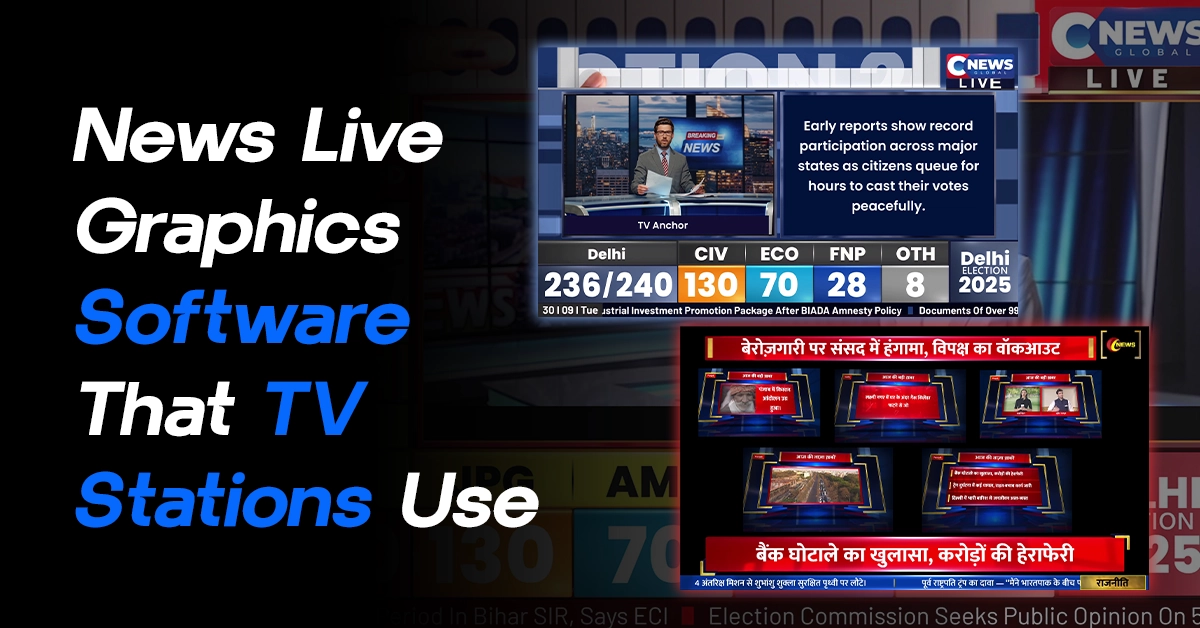
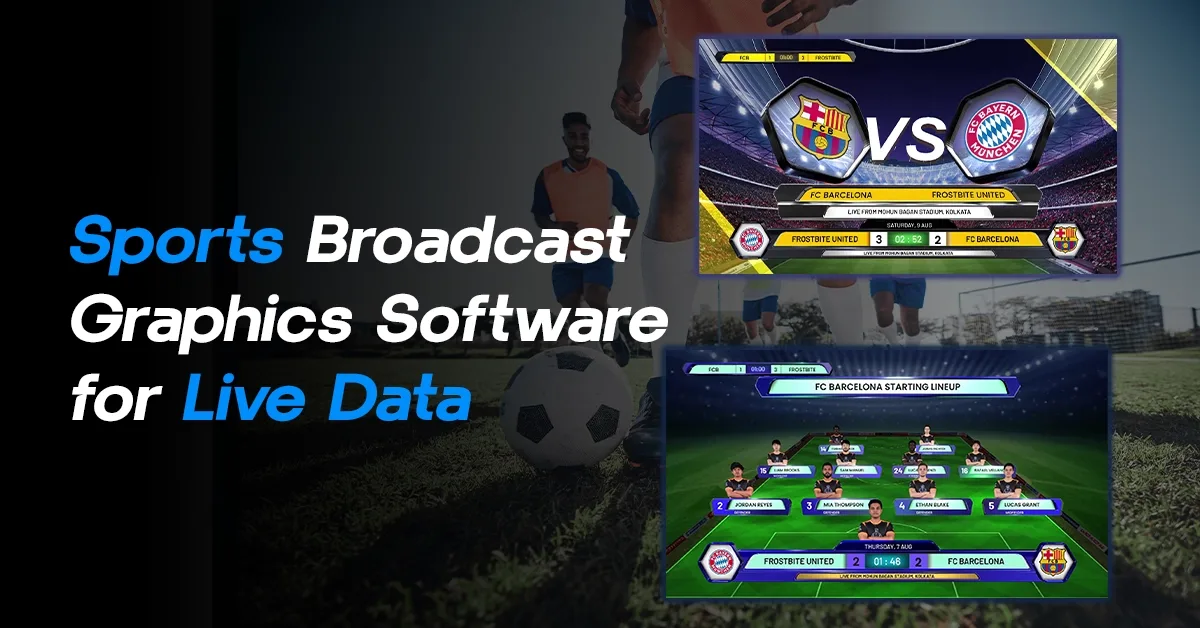
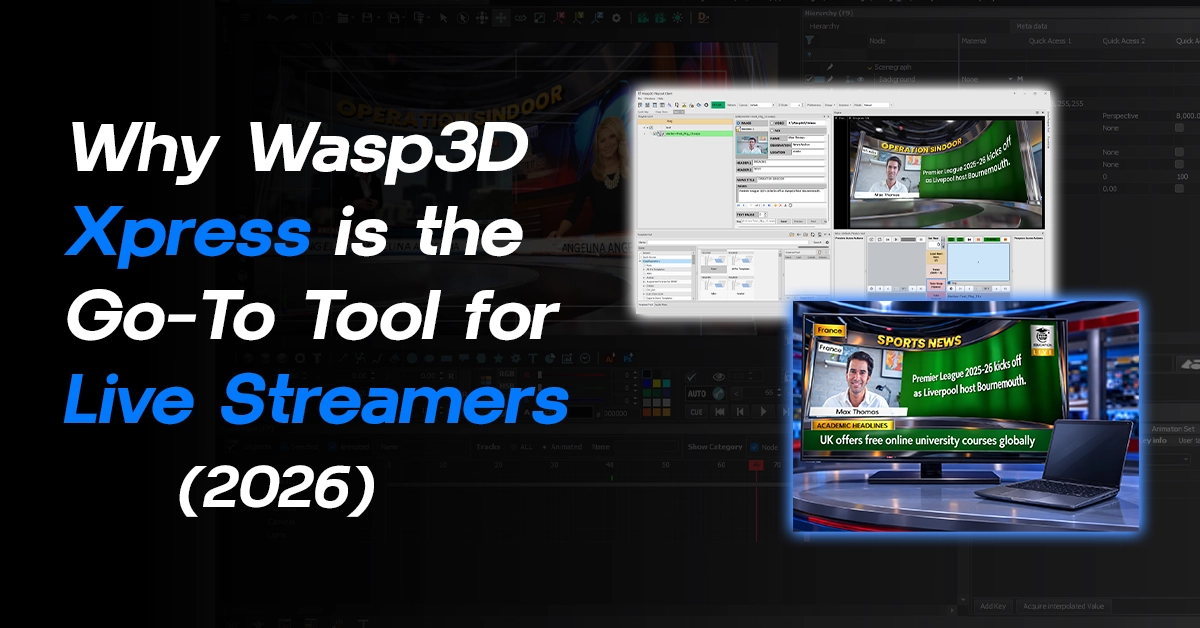
At first glance, many modern streams appear highly polished. The overlays are clean, transitions feel seamless, and layouts are thoughtfully structured. From a purely visual standpoint, today’s eSports livestream graphics seem to meet professional standards.
However, despite this visual quality, something often feels incomplete. The missing element is context.
Viewers can clearly see what is happening on screen, yet they don’t always understand why it is happening. In competitive gaming, this distinction is critical. The “why” behind a play is what drives engagement, builds tension, and keeps audiences invested in the outcome.
For instance, in games like Valorant or Counter-Strike 2, a round is never just about eliminations. Instead, it revolves around economy management, utility usage, positioning, and momentum shifts. Without surfacing this deeper layer of information, even high-intensity moments can feel disconnected.
This is exactly where eSports livestream graphics move beyond aesthetics. When powered by meaningful in-game data, they transform a simple video feed into a narrative-driven experience. As a result, viewers are not just watching gameplay—they are actively understanding it.
How Different Game Genres Shape eSports Livestream Graphics
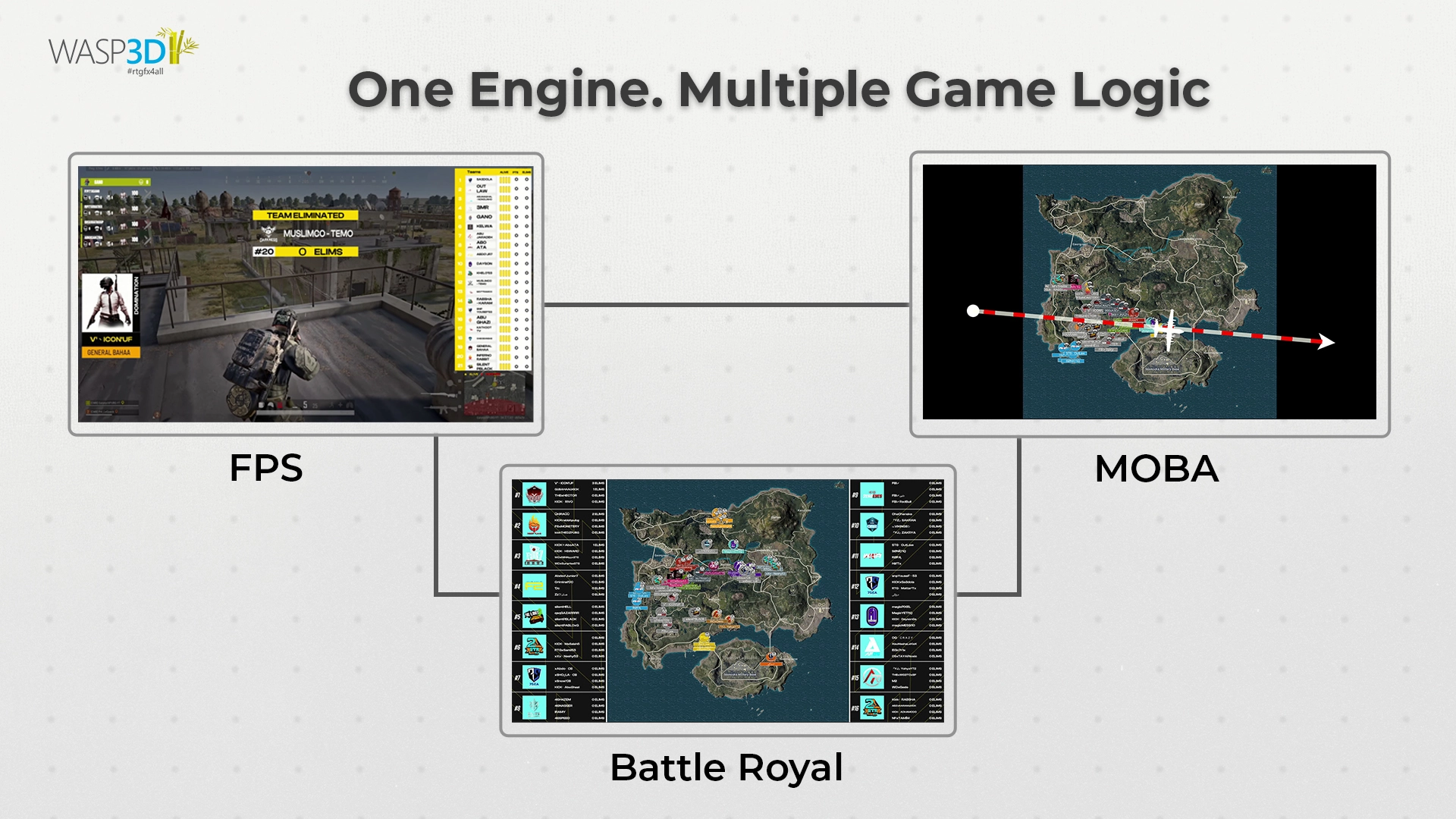
To begin with, one of the most overlooked aspects of livestream graphics is that data is not universal. In other words, every game genre demands a different approach to how information is captured, prioritized, and displayed.
For example, in fast-paced FPS titles like Valorant, information must be immediate and lightweight. Since viewers react in milliseconds, eSports livestream graphics should focus only on critical stats such as kills, economy, and player status. Adding too much information, in this case, can increase cognitive load and distract from gameplay.
On the other hand, MOBAs such as Dota 2 or League of Legends operate on layered strategy. Here, the narrative unfolds gradually over time. Metrics like gold difference, map control, and objective tracking are not just statistics—they are indicators of future outcomes. Therefore, eSports livestream graphics in these games should emphasize trends and progression rather than isolated events.
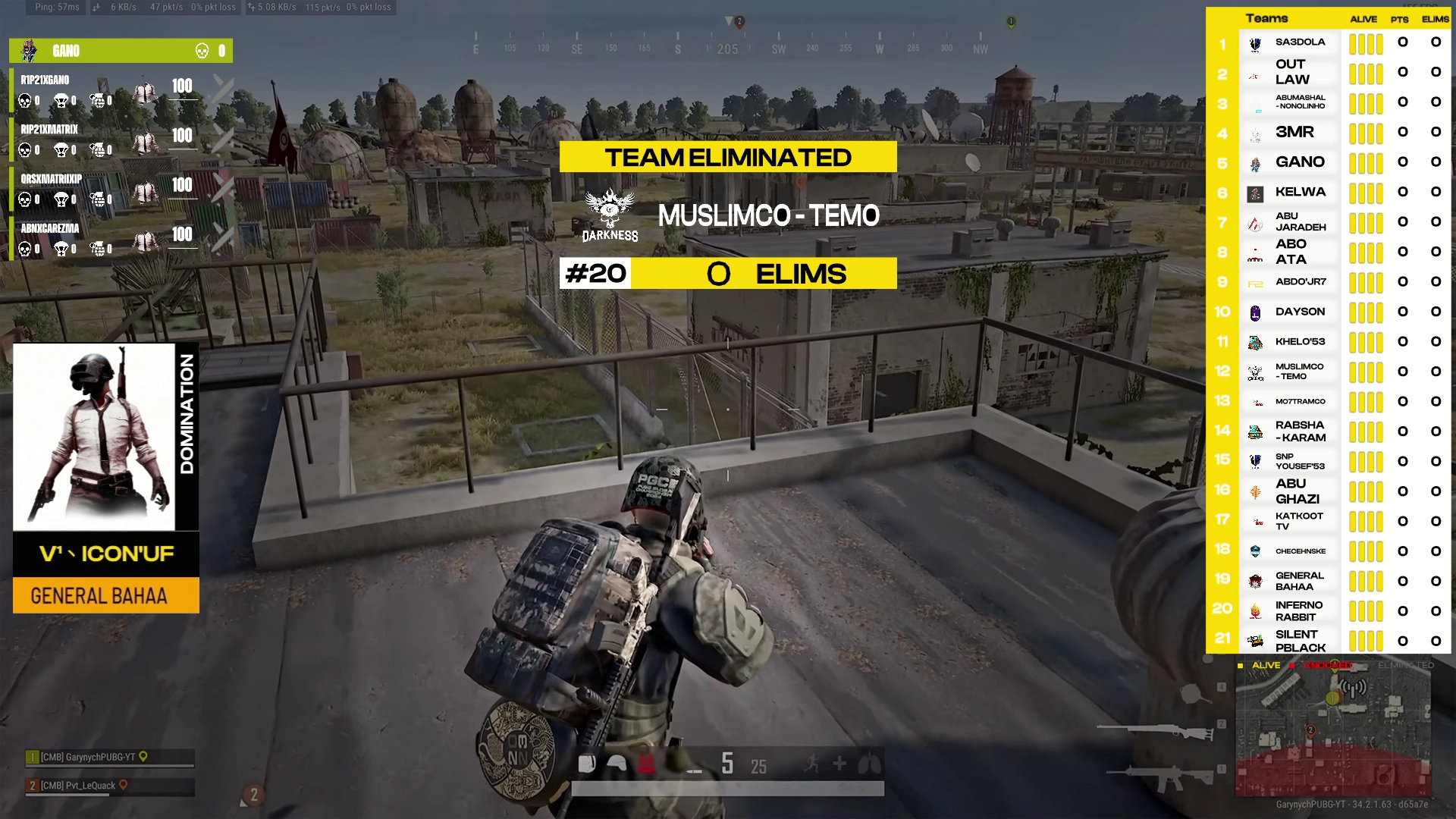
Meanwhile, battle royale titles like PUBG: Battlegrounds introduce an entirely different challenge. With multiple teams, constantly shifting zones, and unpredictable pacing, the viewing experience can quickly become chaotic. In such scenarios, eSports graphics play a crucial role in bringing structure to the broadcast. Rankings, survival stats, and zone information help maintain clarity and guide the viewer through the action.
Ultimately, understanding these genre-specific requirements is the first step toward building effective and meaningful eSports livestream graphics.
What Data Actually Adds Value to eSports Livestream Graphics
While access to data has increased significantly, it is important to recognize that not all data adds value. In fact, overloading eSports livestream graphics with excessive information often reduces clarity rather than improving it.
Therefore, the goal should not be to display more data, but to display the right data.
More specifically, effective eSports livestream graphics focus on decision-making insights—information that helps viewers interpret gameplay in real time.
This typically includes:
- Player-level insights such as kills, assists, health, or loadouts
- Match-level context like timers, rounds, or objectives
- Team-level indicators such as economy, coordination, or performance trends
- Event-driven triggers like eliminations, clutch plays, or round wins
In addition, timing plays a crucial role in how this data is perceived. A stat introduced too early or too late may go unnoticed or feel irrelevant. Conversely, when the same information appears at the right moment, it can completely shift how a viewer understands a situation.
As a result, well-designed eSports livestream graphics are not just informative—they are strategically timed to enhance storytelling.
Why Integrating Data into eSports Livestream Graphics is Challenging
Despite the clear benefits, integrating live data into eSports livestream graphics remains a complex challenge.
To start with, game data often originates from multiple sources, including official APIs, third-party tools, and custom telemetry feeds. Each of these sources follows a different structure, which makes standardization difficult. Consequently, aligning and mapping this data requires careful synchronization and validation.
Furthermore, latency becomes a significant concern. Even a slight delay between gameplay and eSports livestream graphics can disrupt the viewing experience. In fast-paced environments, this mismatch can lead to confusion and reduce overall engagement.
In addition to technical challenges, many production setups still rely on manual triggers to update graphics. This not only introduces delays but also increases the likelihood of human error. As productions scale—especially across tournaments or multiple game titles—these inefficiencies become more pronounced.
Therefore, while the importance of data is widely recognized, implementing it effectively within eSports livestream graphics requires the right systems and workflows.
How Wasp3D Enhances eSports Livestream Graphics with Data
In contrast to traditional approaches, Wasp3D treats eSports livestream graphics as dynamic, data-responsive systems rather than static visual layers.
This distinction is important.
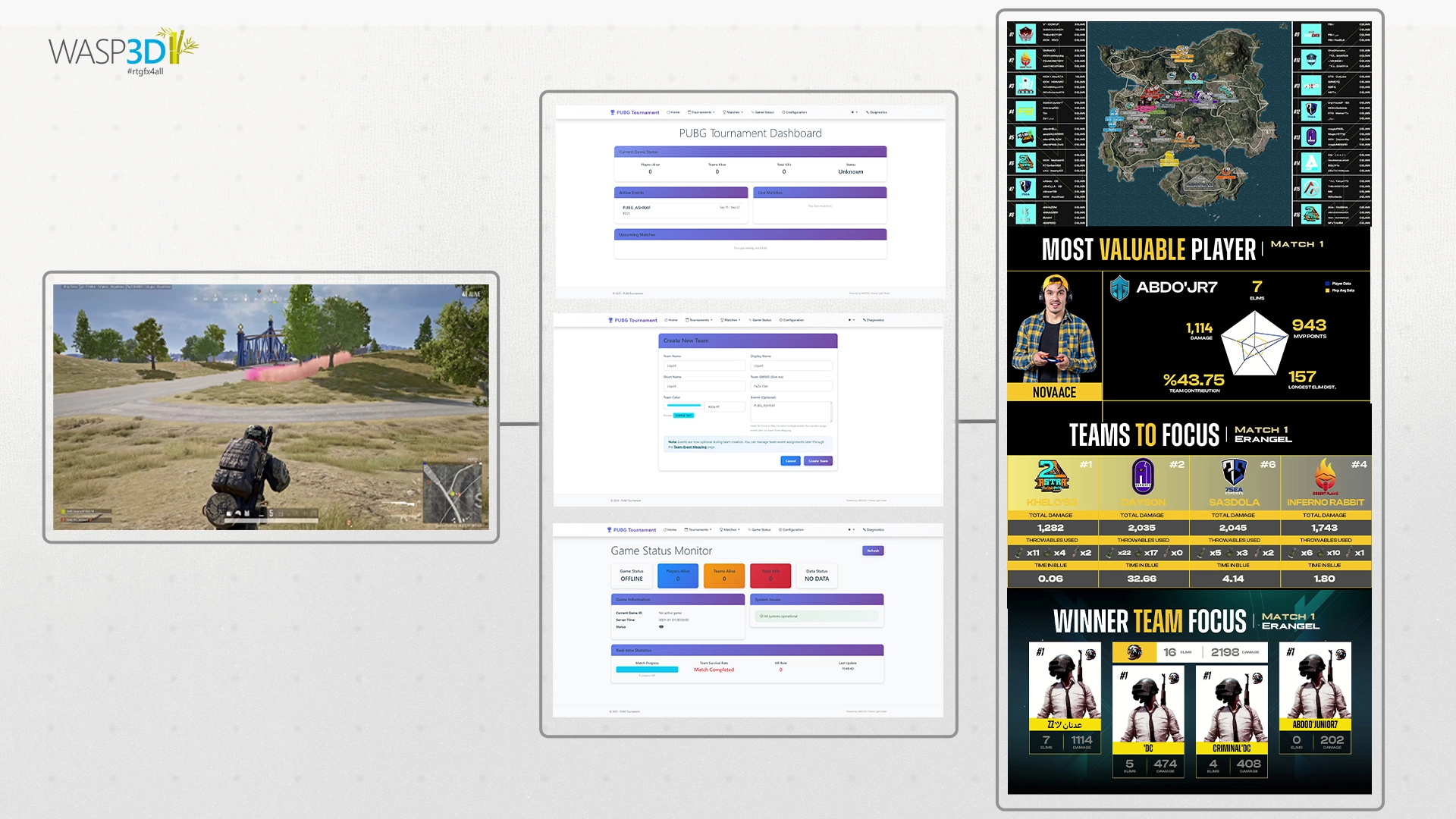
By enabling graphics to react automatically to incoming data, Wasp3D eliminates the need for constant manual intervention. Whether the data source is a game API or an external feed, the system is designed to ingest, map, and render information seamlessly.
Moreover, flexibility is a key advantage. Although different games produce different types of data, the underlying framework remains consistent. As a result, production teams can use a single setup to manage livestream graphics across FPS, MOBA, and battle royale titles without rebuilding workflows from scratch.
At the same time, real-time rendering ensures that graphics remain synchronized with gameplay. Template-based workflows further allow broadcasters to maintain visual consistency while still adapting to specific tournaments or branding requirements.
Ultimately, this approach enables a more efficient and scalable way to manage eSports graphics, where data flows directly into visuals.
From Raw Game Data to eSports Livestream Graphics
From a practical perspective, transforming raw data into eSports livestream graphics involves several interconnected stages.
First, data is captured from the source. This could include game APIs, telemetry feeds, or third-party integration tools.
Next, the captured data is mapped to specific visual elements. For instance, a player’s kill count may be linked to a scoreboard, while economy data feeds into graphical indicators or progress bars.
Once this mapping is established, the system continuously listens for updates. As changes occur, the eSports livestream graphics automatically reflect them on screen without requiring manual input.
Consequently, this creates a live pipeline where gameplay and graphics remain tightly synchronized. Not only does this improve accuracy, but it also ensures a smoother and more engaging viewing experience.
What Changes When eSports Livestream Graphics Become Data-Driven
When eSports graphics become data-driven, the impact extends beyond technical improvements.
To begin with, streams feel more structured. Instead of relying solely on visual cues, viewers can interpret gameplay through contextual information presented on screen.
In addition, engagement levels increase significantly. Audiences are no longer passive observers; rather, they actively follow the narrative—tracking momentum shifts, anticipating outcomes, and reacting to insights.
For commentators and analysts, this creates a stronger foundation. Since key information is already visible through eSports livestream graphics, they can focus on deeper analysis rather than basic explanations.
Similarly, production teams benefit from improved scalability. Once the system is in place, it can support multiple matches, formats, and even different games with minimal adjustments.
Therefore, the transition to data-driven livestream graphics enhances not just the viewing experience, but the entire production workflow.
Best Practices for Designing eSports Livestream Graphics
When designing effective eSports livestream graphics, clarity should always take priority over complexity.
Even the most advanced data loses value if it is difficult to read or interpret. For this reason, simplicity in design ensures that viewers can quickly grasp the information being presented.
In addition, consistency plays a vital role. By maintaining uniform visual patterns, broadcasters help viewers recognize and process information more efficiently, especially during long tournaments.
At the same time, it is important to avoid overcrowding the screen. While it may be tempting to display as much data as possible, excessive information can overwhelm viewers and reduce overall impact.
Equally important is timing. Graphics should appear when they enhance understanding, not when they compete with gameplay for attention.
Finally, thorough testing is essential. Since live environments are inherently unpredictable, ensuring that livestream graphics function smoothly under real conditions is critical for maintaining broadcast quality.
The Future of eSports Livestream Graphics is Data-Led
Looking ahead, the role of livestream graphics is continuing to evolve. Rather than serving as decorative elements, they are becoming central to how information is delivered during broadcasts. As viewers become more informed, their expectations for deeper insights also increase.
At the same time, broadcasters are constantly seeking ways to differentiate their content, while creators look for scalable solutions that can grow with their needs.
In this context, data becomes the defining factor.
The ability to capture, interpret, and present data effectively will shape the future of livestream graphics. Emerging technologies, including automation and predictive analytics, are likely to further enhance how stories are told within live broadcasts.
Where Do You Stand Today?
At this point, every stream typically falls into one of three stages:
START → Using basic overlays with minimal data
GROW → Adding live elements and improving workflows
SCALE → Building fully data-driven livestream graphics
So, where are you right now?
More importantly, what is the next level your stream should reach?
If you are aiming to move from static visuals to intelligent, data-driven eSports livestream graphics, it may be time to rethink how your data integrates into your production workflow.